Choosing Your Audio Style
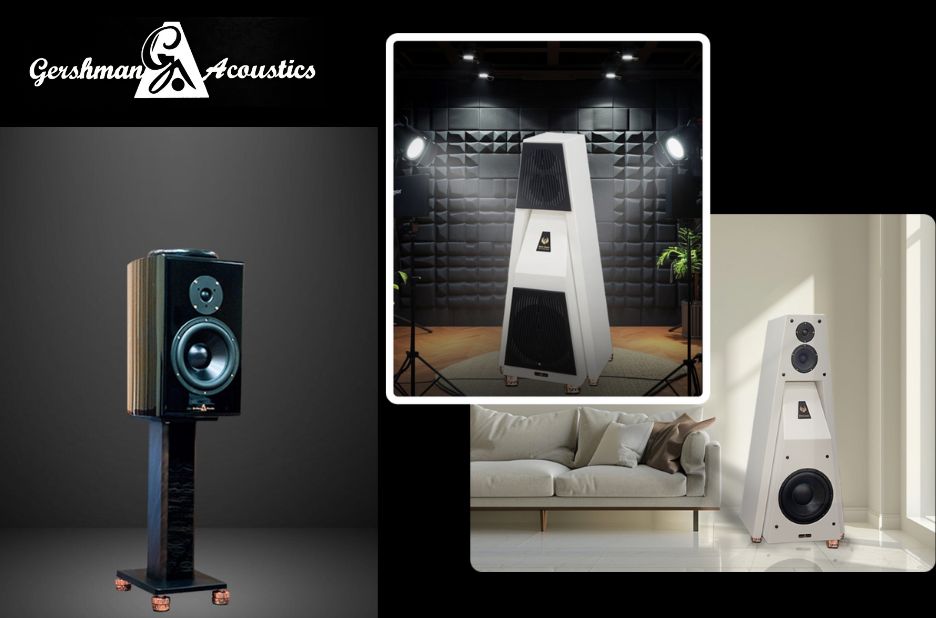
When you’re in the market, the goal is to find speakers that match how you listen at home. Start by identifying room size, seating layout, and preferred genres. If you love detailed mids and open highs, you’ll want a setup that preserves clarity without harshness. Consider whether you prefer compact bookshelf Buy High Fidelity Speakers models or larger floorstanding units, as each type brings different soundstage and bass behavior. Reading specs helps, but listening in person reveals how the drivers handle transients, imaging, and tonal balance in real space. Your choice should support long listening sessions without fatigue.
Important Specs to Compare
Key specs to study include impedance, sensitivity, and frequency response, since these influence how loud you can play and how easily amps drive the speakers. A higher sensitivity means more output with less power, which can be beneficial in smaller rooms. Look for a flat or Speakers With Deep Controlled Bass gently rising bass response if you want musical truth rather than boosted lows. It’s also worth checking cabinet design and finish to ensure the speakers complement your decor and living space while minimizing unwanted resonances that color the sound.
Tips for Placement and Pairing
Positioning plays a crucial role in achieving coherent imaging. Try toeing the speakers inward so the tweeters aim at your ears, roughly an arm’s length from walls to reduce bass bloat. If you’re pairing with a sub, plan a smooth crossover to avoid gaps or redundancies in the low end. A good amplifier that matches the speaker’s impedance and power needs will preserve dynamics and avoid strain during complex passages. Take notes during trial listening sessions to guide your final setup.
Sound Quality Versus Budget Decisions
Your budget will shape the range of options, but you can still achieve excellent sound by prioritizing critical components. In many rooms, midrange clarity and controlled bass depth outperform sheer volume. If you can’t audition, seek trusted reviews that note real-world performance and room behavior. Remember that speaker cables and room treatments can subtly influence tonal balance. The goal is a natural, engaging sound that remains listenable at realistic levels for long periods, not merely loudness.
Conclusion
With the right approach, you can confidently choose speakers that deliver accurate detail and satisfying low end without overpowering the room. This path often marries practical considerations like room size, amplifier pairing, and listening habits with careful auditioning. For those who want further guidance and selections in this space, check GERSHMAN ACOUSTICS for similar tools and recommendations.